When facing the deeply personal decision of creating a memorial monument for a loved one, one of the most significant choices you'll make is the material. This material will serve as the foundation of a lasting tribute, standing strong through seasons and years, symbolizing an enduring memory. While many options exist, understanding their unique properties, durability, and aesthetic https://charlotte-home-pros.yousher.com/understanding-memorial-inscriptions-and-engraving-options appeal is crucial. The 'best' material isn't a one-size-fits-all answer; rather, it’s the one that best honors your loved one's legacy and your family's wishes.
Understanding Memorial Monument Materials
The selection of a memorial material is an investment in permanence. It speaks to a desire for the monument to withstand the elements, retain its beauty, and continue to tell a story for generations. Let's explore the most common and revered materials used in monument craftsmanship today.
Granite: The Unrivaled Choice for Durability
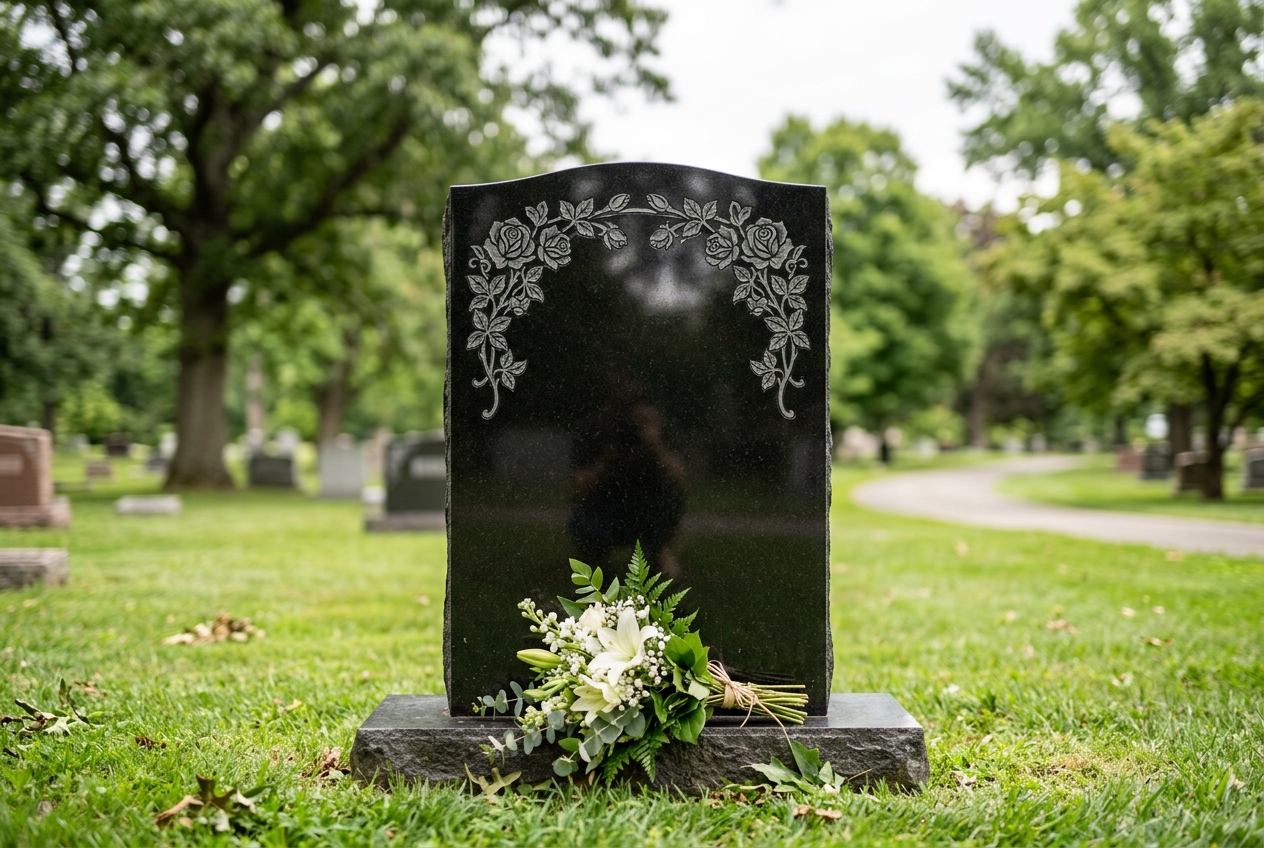
Without a doubt, granite stands as the most popular and recommended material for memorial monuments, and for very good reasons. This igneous rock is celebrated for its incredible hardness, density, and resistance to weathering. Formed deep within the Earth's crust, granite is composed of tightly interlocking mineral grains, making it exceptionally resistant to cracks, chips, and erosion. Its natural beauty comes in a vast array of colors, from classic grays and blacks to vibrant reds, blues, and greens, each with unique patterns and flecks. This variety allows for deeply personal and distinctive tributes.
Granite requires minimal maintenance. Its smooth, polished surface naturally repels dirt and moisture, and occasional cleaning is usually sufficient to keep it looking pristine. Engravings and etchings on granite remain sharp and clear over centuries, ensuring that names, dates, and heartfelt messages endure. For families seeking a memorial that offers both exceptional longevity and diverse aesthetic options, our team at Gaulden Monuments frequently recommends granite for its unmatched reliability and beauty.
Bronze: A Timeless and Dignified Option
Bronze, an alloy of copper and tin, is another enduring material often used for memorial plaques, statues, or as an accent on granite markers. Its rich, warm hue and the ability to be cast into intricate designs give it a distinct, dignified appeal. Bronze is incredibly durable and resistant to corrosion, developing a protective patina over time that adds to its classic aesthetic without compromising its structural integrity.
Bronze memorials are known for their longevity and their ability to capture fine details in relief. They often feature raised lettering and emblems, providing a tactile and visually striking tribute. While bronze may not be as varied in color as granite, its timeless appeal and dignified presence make it a cherished choice for many families.
Marble: Beauty with a Delicate Nature
Marble, a metamorphic rock known for its elegant veining and luminous quality, has been used in art and architecture for millennia. Its classic beauty, often associated with purity and serenity, makes it an attractive option for memorials. It carves beautifully, allowing for intricate sculptural details and smooth, refined surfaces.
However, marble is significantly softer and more porous than granite. This makes it susceptible to weathering, erosion from acid rain, and staining over time. While undeniably beautiful, marble memorials require more frequent maintenance and may show signs of wear and environmental impact sooner than granite. For those drawn to marble's unique aesthetic, it's important to understand these considerations and plan for its preservation.
Other Materials: Specific Uses and Considerations
While less common for primary monuments, materials like limestone and sandstone have also been used historically. These sedimentary rocks are generally softer and more porous than granite or marble, making them less durable for long-term outdoor exposure. They are typically chosen for specific historical restoration projects or when a very particular aesthetic is desired, often with the understanding that they will require more significant ongoing care.
Key Factors in Your Material Decision
Choosing the right material involves balancing several practical and emotional considerations:
- Durability and Longevity: How important is it that the memorial lasts for many generations with minimal change? Aesthetics and Personal Preference: Does the material's color, texture, and overall appearance resonate with your loved one's personality or your family's taste? Maintenance Requirements: How much time and effort are you willing to invest in cleaning and preserving the monument over the years? Cost Considerations: Materials vary in price, and it's important to select an option that fits within your budget while meeting your desires. Cemetery Regulations: Many cemeteries have specific rules regarding monument materials, sizes, and finishes. Always check these guidelines before making a final decision.
Making Your Choice with Gaulden Monuments
Ultimately, the