Designing a monument for a loved one is a profound and deeply personal process, creating a lasting tribute that honors a unique life. At Gaulden Monuments, our team understands the sensitivity and emotional weight involved. We believe a memorial should reflect the individual's essence, telling their story for generations. To guide you, we've outlined key considerations for creating a monument that truly captures their spirit and legacy.
Understanding the Purpose and Meaning
Before delving into materials and designs, reflect on the monument's core purpose. What story do you wish to tell? What emotions do you want to evoke? This introspection forms the foundation of your design choices.
Personal Reflection: What Story Do You Want to Tell?
Is the monument intended to be a solemn reflection, a celebration of joy, or a quiet place for contemplation? Consider the individual's personality, their passions, achievements, and values. Incorporating these elements transforms a simple stone into a deeply personal narrative, resonating with visitors and bringing comfort and fond memories.
Type of Memorial
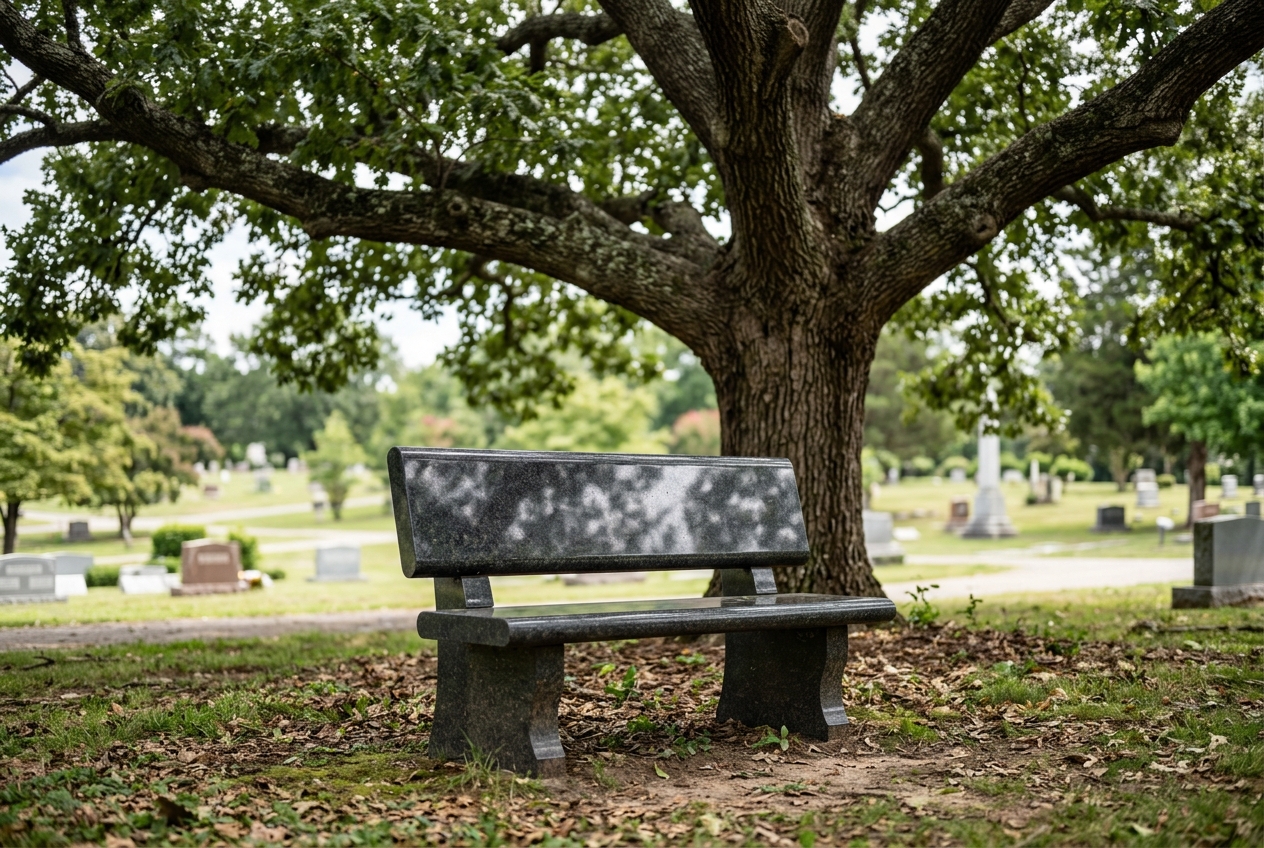
Monuments come in various forms, each offering a distinct way to honor a loved one. Common types include upright monuments, flat markers, bench memorials, cremation memorials, and custom designs. Understanding the different types available, and considering what feels most appropriate, is an essential first step. Be aware of any specific regulations imposed by the cemetery regarding the type and style of memorial permitted.
Material and Durability
The choice of material is fundamental, influencing not only the aesthetic appeal but also the longevity and maintenance of the monument.
Stone Selection
Granite is by far the most popular choice for monuments due to its exceptional durability, resistance to weathering, and wide array of color options. Its hard surface makes it ideal for intricate carvings and etchings that will last for centuries. Marble, with its classic elegance, offers a timeless appeal but is softer and more porous than granite, making it more susceptible to weathering and staining. Bronze is often used for flat markers and plaques, known for its enduring quality. Our team can discuss the pros and cons of each, helping you select a material that meets your desires for appearance and resilience.
Finish and Polish
The finish applied to the stone significantly impacts its final look. A highly polished finish creates a reflective, mirror-like surface that intensifies the stone's color and makes it very easy to clean. Honed finishes offer a smooth, matte appearance, while rock-pitched edges provide a rustic, natural look. Combining different finishes can add depth and contrast to the design. Consider how the finish will contribute to the overall aesthetic and how it might age over time.
Design Elements and Customization
This is where the monument truly begins to take shape, reflecting the individuality of the person it honors.
Shape and Size
Monuments can range from traditional rectangular or oval shapes to more intricate, custom designs that evoke a specific image or symbol. The size will be influenced by factors such as the cemetery plot dimensions, your budget, and the desired visual impact. A larger monument offers more canvas for detailed artwork and longer inscriptions, while a smaller marker can be equally meaningful. Always verify cemetery regulations regarding maximum height, width, and depth before finalizing your design.
Lettering and Inscriptions
The words chosen for a monument carry immense emotional weight. Selecting the right font style is crucial for readability and to convey the desired tone. Beyond names and dates, consider an epitaph, a favorite quote, a significant scripture, or a simple phrase that encapsulates their spirit. The depth and style of carving – such as sandblasted, incised, or raised lettering – also play a role in the monument's longevity and appearance, ensuring the inscription remains clear and legible for years to come.
Artwork and Imagery
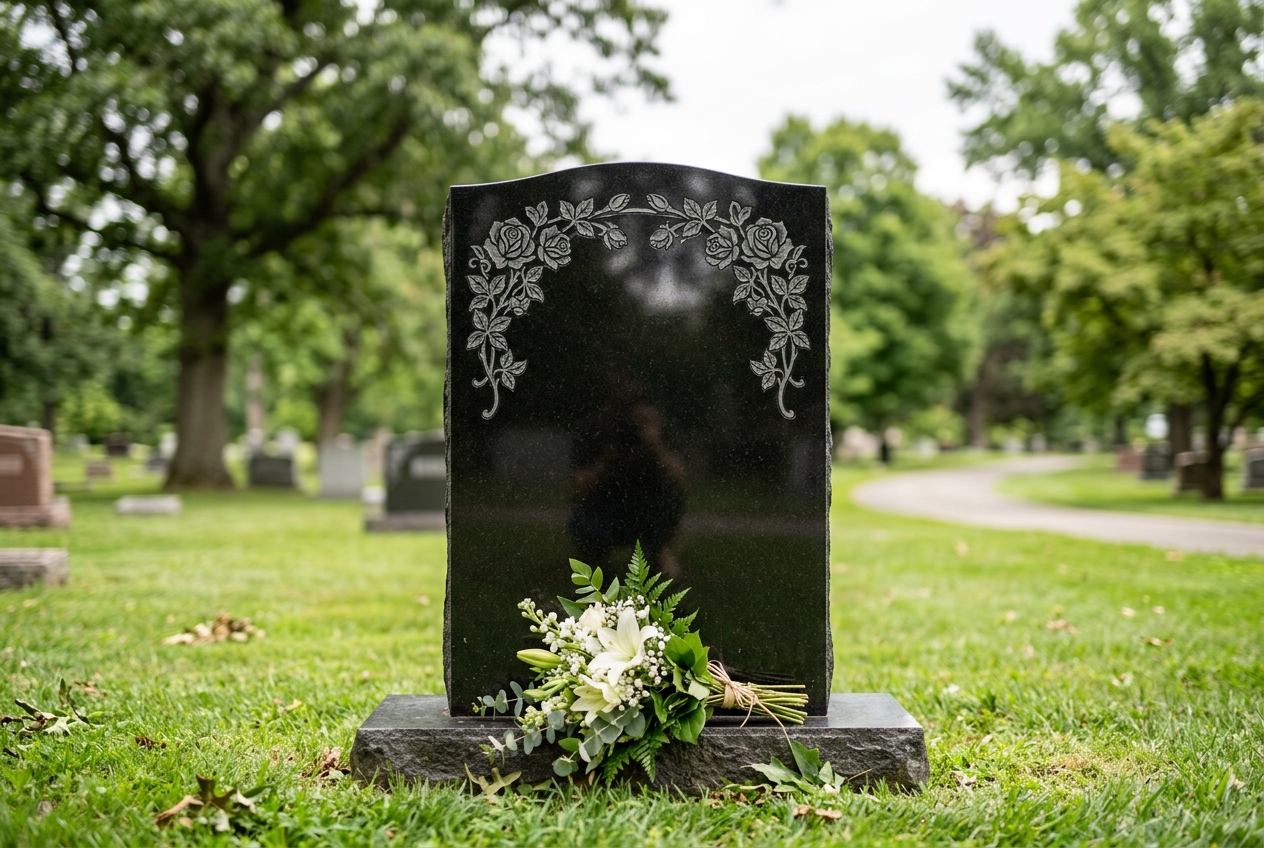
Artwork can add a profound layer of personalization to a monument. This might include intricate engravings of religious symbols, nature scenes, hobbies, or even a cherished portrait. Etchings, created by skilled artisans, can render incredibly detailed images directly onto polished granite, bringing photographs or custom designs to life. Ceramic photos, which are kiln-fired for durability, offer another beautiful way to incorporate a photographic image onto the memorial. These visual elements help to tell a more complete story, allowing visitors to connect with the loved one on a deeper level.
Embellishments and Additions
Beyond the primary stone, various embellishments can enhance the monument's beauty and functionality. Vases, either integrated into the stone or freestanding, provide a place for flowers, allowing visitors to leave fresh tributes. Bronze plaques can add additional information or a different textural element. Benches can be https://taylored-lawns-tree-service.wpsuo.com/can-i-customize-my-loved-one-s-headstone-design incorporated into the design, offering a peaceful spot for reflection. Eternal lights can provide a soft glow, symbolizing everlasting remembrance. Each addition should be chosen thoughtfully to complement the overall design and purpose.
Cemetery Regulations and Practicalities
Navigating the practical aspects ensures a smooth and respectful process.
Understanding Rules
This step cannot be overstated: always begin by consulting with the cemetery where the monument will be placed. Cemeteries have specific rules and regulations regarding the size, material, type, and even the finish of memorials permitted. Failing to understand these guidelines upfront can lead to costly delays or the need to redesign. Our team at Gaulden Monuments is experienced in working with various cemeteries and can assist you in adhering to these requirements, ensuring your chosen design can be respectfully installed.
Budget Considerations
The cost of a monument is influenced by several factors: the chosen material, its size, the complexity of the design, the type of carving and artwork, and any additional features. It's helpful to establish a budget early in the process. We are committed to working with families to explore a range of options that honor their loved one beautifully while respecting their financial considerations. Our goal is to provide exceptional craftsmanship and compassionate service, ensuring you receive a memorial that is both meaningful and affordable.
Installation and Maintenance
Proper installation is vital for the monument's stability and longevity. A solid foundation is paramount to prevent settling or tilting over time. While granite is incredibly durable, all monuments benefit from occasional cleaning to maintain their appearance. Discussing these long-term considerations with your memorial provider can help you understand what to expect and how to best care for your tribute.
Designing a monument is a profound act of love and remembrance. It's a journey that allows you to thoughtfully craft a lasting legacy for someone cherished. By considering these essential elements – from the purpose and material to the intricate details of design and practical regulations – you can create a memorial that beautifully reflects a life well-lived. Our compassionate team is here to guide you every step of the way, helping you translate your vision into a tribute that will stand the test of time, offering comfort and remembrance for generations.